
Origins
One summer day, while sipping coffee, a post from a rally event’s official Instagram account caught my eyes:
“We need volunteers.”
Around that time, I was facing a similar challenge at Apexiel. We needed more users, but beyond purchasing photos, what meaningful role could the platform play?
The answer came from rethinking the value of photography itself. Photos aren’t the product. Stories are. Memories are.
Photos are simply the medium that carries them. And it’s those stories that create lasting value for our users.
Applying the same logic to the "we need volunteering" question:
If someone has never been to a rally, why would they volunteer?
Yes, rally events need and depend on volunteers, but what’s in it for the volunteers themselves?
Taking that question a step further, I began thinking about those who have been volunteering for years.
- What brought them into rally in the first place?
- What’s their background—and more importantly,
- what keeps bringing them back?
Those questions gave birth to this project. How about we use photos to really showcase their volunteers? Many of them have been at rally for years volunteering. their stories are the best for answering that question: Why volunteering?
Onsite portraits
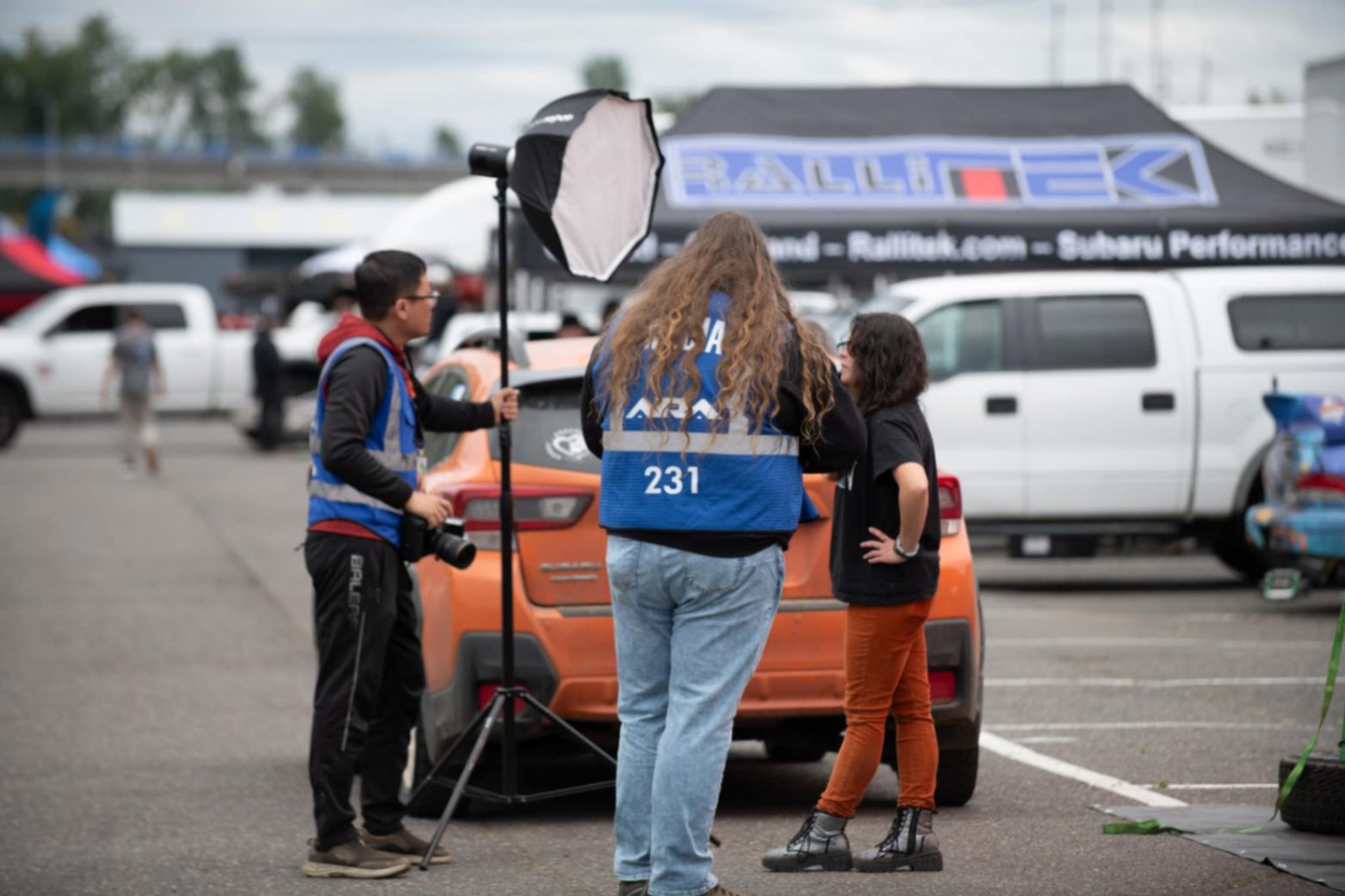
On a practical level, this project became a valuable exercise in on-site portrait work. Photographing people with off-camera flash has been something I’ve been learning this year. From a simple Speedlight to a more powerful 300W strobe. But doing it at a stage rally is a different challenge entirely. I didn't know who I'll be photographing, what the ambient light will be like, what the environment is like, or even which angle will work until you’re already in the moment. Each portrait became an adrenaline rush game of improv. And I loved it!
Getting to know the "strangers"
One of the most meaningful outcomes came from learning about the volunteers themselves. I’ve seen many of these faces at countless events like stage rallies, rallycross, TSD rallies and beyond. I recognized them by role, by vest color, by where they stood on stage. But I didn’t truly know them as people. This project created space for that. It revealed how much experience, dedication, and personal history exists behind the word “volunteer,” and how interconnected this community really is across events and disciplines.
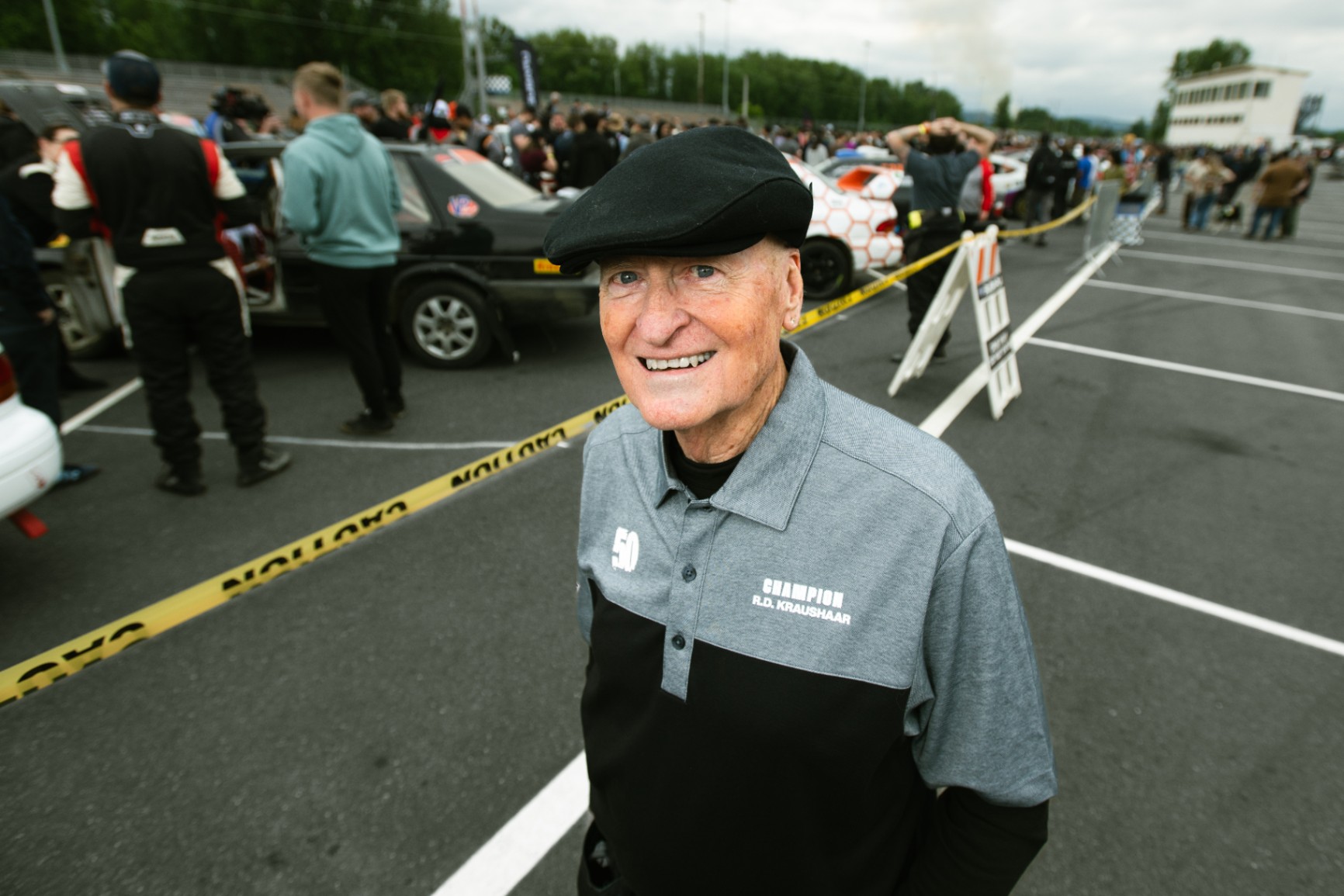
One moment that stays with me happened at parc exposé at the PIR stage. While walking through the crowd, Jim Breazeale stopped me and pointed to a gentleman standing just outside the yellow-taped car area—someone I would have completely missed. Through conversation, I learned that the gentleman was R. Dale Kraushaar, an early Oregon Trail Rally competitor from the event’s formative years, when the rally was still defining its routes, culture, and community. Standing there quietly decades later, watching the event he once competed in take shape in new hands, was a reminder that rally’s story isn’t confined to the cars or the results, but lives on through the people who helped build it—and who still show up to see it continue.
Apexiel beyond just a marketplace for photos
Once the initial photos and stories were collected, a new problem emerged: where should they live? The usual answer is social media—but those platforms come with real limitations:
- restrictive Post formats. Facebook and Instagram are designed for short captions and quick visuals, not for thoughtful stories told alongside images.
- They also prioritize what’s newest or most engaging in the moment, optimized for fast reactions and fleeting attention. A post can disappear from view with a single refresh, buried by whatever comes next.
For stories that took time to tell, and lives that took years to shape, that never felt like the right home. I was frustrated to a point to vibe code a website just for telling this story.
This sparked deeper conversations within the team about extending to allow user-generated content. It aligned naturally with extending the platform beyond a photo marketplace and into storytelling, giving users a place to share their experiences in a format that does justice to both the images and the words behind them. And it answered my original question what users would do on Apexiel other than buying photos. By mid‑November, the first blogging post went live.
I want to take this moment to thank the team for making that possible. In particular, my co‑founder Kevin Blair. The pace, care, and thoughtfulness behind this work is something I’m deeply grateful for.
A proper place for our stories to live on
Because of the blogging work, this project finally found a proper home.
A place where stories can live alongside images. Where people can share not just what they captured, but why it mattered. On a personal level, it means everything to know that these stories now have somewhere meaningful to exist, and that I’m part of a team capable of building that space together.
Face of OTR 2025 is not just a collection of portraits. It’s a reminder that rally is built on people, and that every image, like every person, has a story worth telling.
So what's in for them to volunteer?
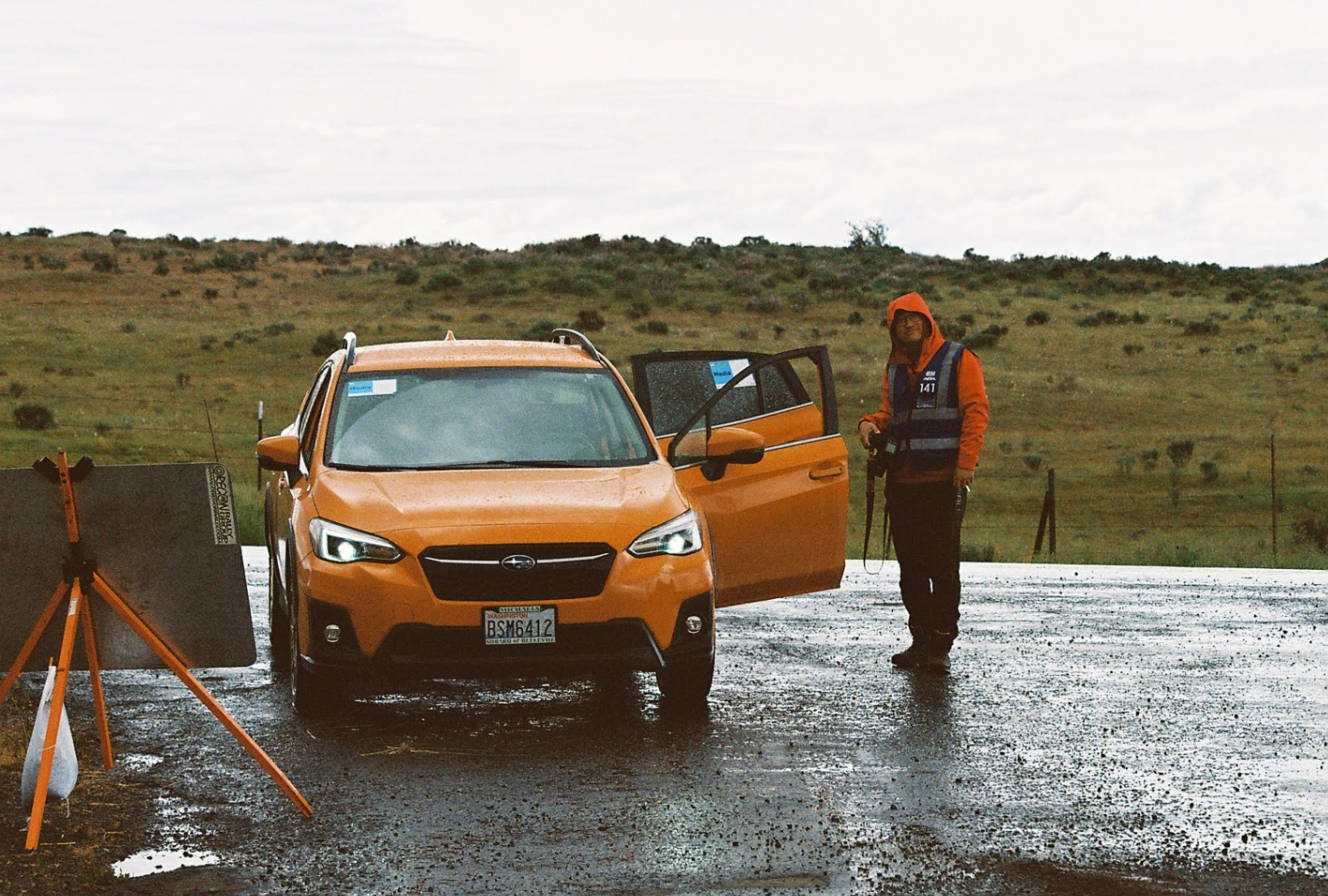
What rally gives back to its volunteers isn’t a reward or recognition, but a sense of belonging, purpose, and connection—built through shared effort, shared moments, and returning year after year to something that feels like home.
The End.
For more stories in Face of OTR 2025: https://www.apexiel.com/user/thread/7JF4Cwpb6jm7reUlVbH0
Words by Peng Du.
 Share
Share